
12 April 2026
What makes a veneer look natural — and what gives it away
Three details — light translucency, gentle edge contour, and a softly rounded line angle — separate clinical-looking veneers from ones that read as your own teeth.
Dt. Müberra BayraktarFounder · Oral Implantology Specialist
Most patients arrive worried about one thing: ending up with a smile that announces itself. Good news — that look is preventable, and it almost always comes down to three production details rather than the brand of ceramic.
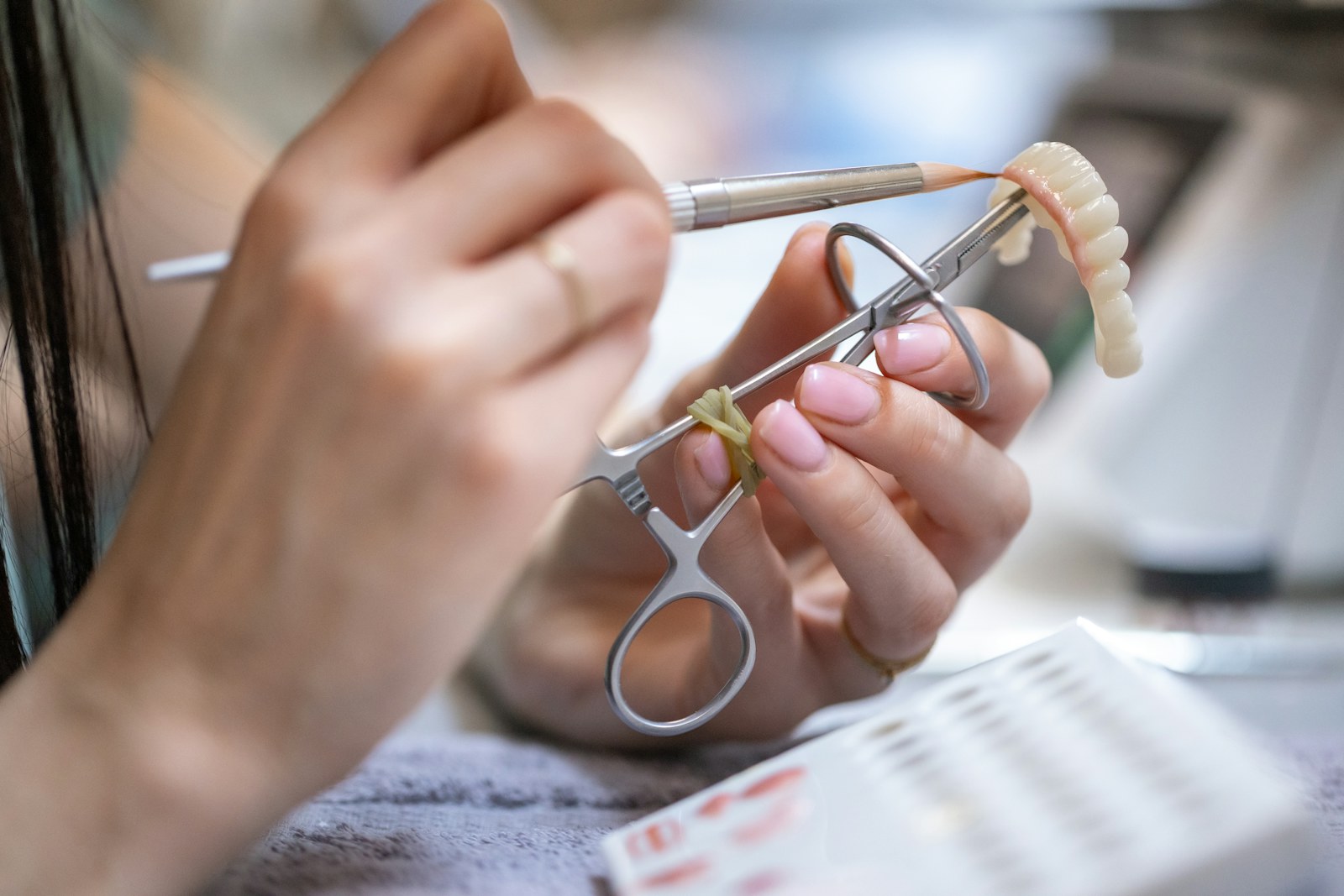
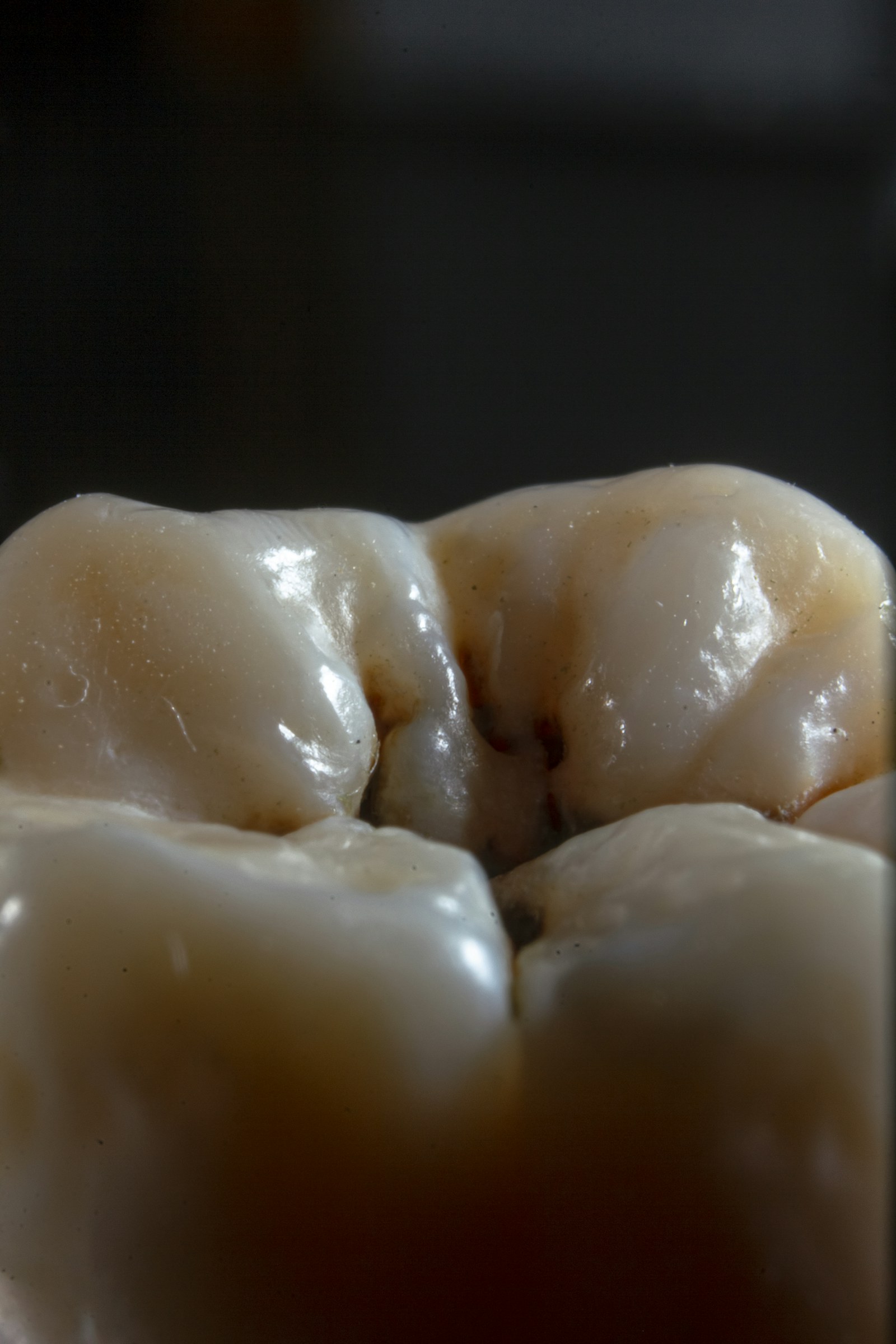
First, translucency at the incisal edge. Natural enamel is not opaque; it lets a faint blue-grey through near the biting edge. A flat opaque veneer skips this and reads as plastic. We layer porcelain so the last millimetre catches light like real enamel.
Second, the line angle. Each tooth has a softly rounded vertical edge where one tooth meets the next. Aggressive square line angles look fabricated; gentle ones disappear.
Third, surface texture. Real teeth have micro-grooves that scatter light into a soft sheen. A high-polish glass finish looks 'show-room'. We finish veneers with the same horizontal stippling your enamel has, so they reflect light at a believable angle.
Get those three right and the veneers stop being 'a procedure' — they become teeth.
Continue reading